Building business relationships is essential for the growth of any small business. Every handshake, every conversation, and every new contact could lead to your next big opportunity. With so many connections, managing them all can become challenging. This is where digital business cards and POS systems come in. Combining these two tools, you are able to create a powerhouse for relationship management. Save time, stay organized, and turn chance meetings into long-lasting business relationships.
The Evolution of Networking for Small Businesses
Remember the old days of networking? You’d collect stacks of paper business cards at events. Then you’d try to remember who was who when you got back to the office. Many cards ended up lost or forgotten in desk drawers.
Small business owners face real challenges with traditional networking. It’s time-consuming to follow up with new contacts. It’s a chore to organize information from dozens of cards. And tracking which connections turn into customers is nearly impossible.
Digital business cards address these issues. They allow you to share your information instantly via tap or scan. No more worrying about running out of cards or finding crumpled ones in your pocket. Everything stays organized and accessible on your phone.
Benefits of Digital Business Cards for Customer Engagement
More than just replacing paper, digital business cards create new ways to connect customers and enable tracking of your networking efforts.
When someone receives your digital card, they get everything at once. Your phone number, email, website, and social media profiles transfer in seconds. You can even include current promotions or special offers.
The power actually comes from tracking. Digital cards show you who viewed your information and when. This makes it easier for you to follow up at the right time with the right message. You are able to see which of your contacts is most interested in your business.
Cost savings also add up quickly. Traditional business cards cost money every time you run out or need to update information, while digital cards update instantly and cost absolutely nothing to share. Plus, you’re helping the environment by reducing paper waste.
With this data, it’s easier to make the communications personal. You know what services interest each contact. With this information, you can serve them better and build stronger relationships. You remember the context of your conversation.
Integrating Digital Business Cards with POS Systems
POS systems are more than a way to process payments. Newer systems act as a central hub for all your customer data by tracking purchases, storing preferences, and managing loyalty programs.
And then the magic happens when you connect your digital business cards to your POS system: customer information flows automatically from one system to another. No need for manual data entry or duplicate records.
Here’s how it works in practice. A customer taps their phone to share their digital card at checkout; instantly, your POS system captures all their information. Their contact details are now linked to their purchase history.
Advanced POS solutions help small business owners capture customer details, simplify follow-ups, and manage loyalty programs, all in one place. By integrating networking and sales data this way, you can uncover opportunities that might otherwise go unnoticed.
Consider a coffee shop owner who meets a potential customer at a local business event. They exchange digital cards. Later, when that person comes into the shop, the POS system recognizes them. The owner can greet them by name and give them a personalized welcome discount.
Or consider a boutique owner at a fashion show. The attendees exchange their digital cards to participate in a giveaway. The POS system adds this contact to the customer database. When an inventory of similar styles arrives, the owner sends selected messages to a targeted audience of interested people.
Integration workflows can be as simple or complex as needed. The key is creating an ecosystem where information flows seamlessly and with purpose. Every interaction should add value in your customer relationships.

Strategies to Maximize Networking Efficiency
Getting the most from your networking tools requires strategy. Start by making it easy for customers to share their information with you.
Set up a simple process at checkout. Train your staff to ask customers if they’d like to share their digital card for exclusive offers. Make it feel natural, not pushy. Offer an immediate benefit like a discount or loyalty points.
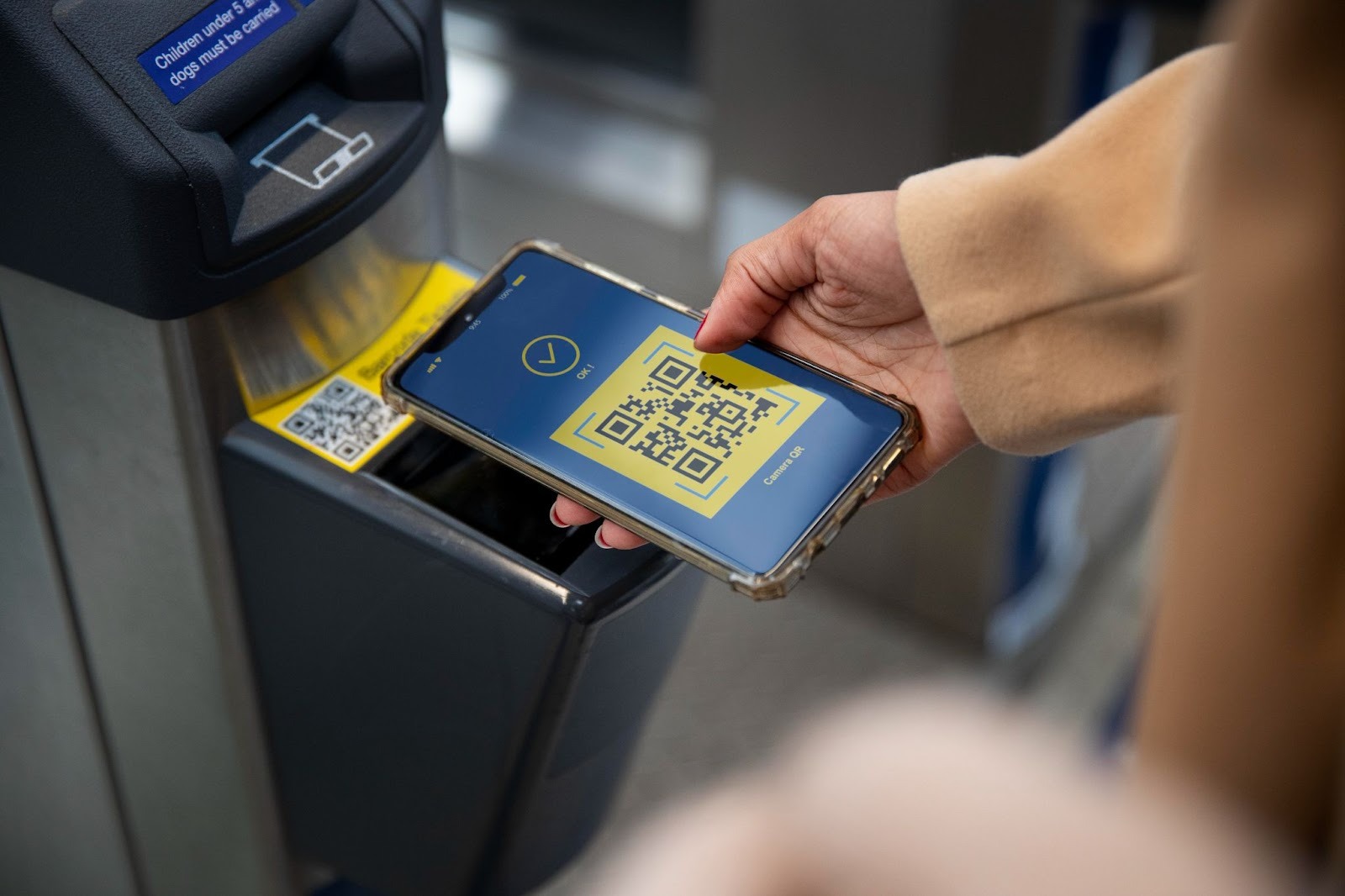
At events, use QR codes that link to your digital card. People can scan and save your information in seconds. You can place these codes on displays, flyers, or even your phone screen.
Organization is crucial. Tag contacts based on where you met them or what they’re interested in. This makes sending relevant messages later much easier. Your POS system can help by automatically categorizing customers based on purchase patterns.
Automation saves time without losing the personal touch. Set up welcome emails for new contacts. Schedule follow-ups after events. Send birthday discounts or anniversary messages. Your POS system handles the timing while you focus on the message.
Personalized marketing works better than generic blasts. Use the data from your POS system to segment customers. Someone who buys organic products might appreciate information about new sustainable options. A customer who visits weekly might enjoy a VIP loyalty program.
Encourage repeat business by making customers feel valued. Reference their previous purchases in conversations. Suggest products based on their interests. Send thank-you messages after significant purchases.
Track which networking efforts bring the best results. Your integrated system shows which events led to sales. Which follow-up messages got responses? Which promotions drove traffic? Use this information to focus your energy where it matters most.
Build a feedback loop. Ask customers how they heard about you. Record this information in your POS system. Over time, you’ll see patterns that guide your networking strategy.
Conclusion
Combining digital business cards with POS systems creates a powerful networking advantage for small business owners. You capture contacts more easily, organize information better, and follow up more effectively. This integration turns every customer interaction into an opportunity. Whether someone visits your store, meets you at an event, or receives a recommendation, you can track and nurture that relationship.
The benefits extend beyond just convenience. You save money on printing costs, reduce manual data entry errors, and provide faster, more personalized service. Small businesses compete by building stronger relationships, not just lower prices. When you know your customers and stay connected with them, you create loyalty that big competitors can’t match.
Start exploring integration possibilities today. Look at your current POS system’s capabilities and research digital business card platforms that connect with your tools. Every conversation is a chance to grow your business. Make sure you have the tools to turn those chances into lasting success.



![Read more about the article Top Free E-Card Templates for [Holiday/Occasion] in 2026- 2027](https://www.shareecard.com/weblog/wp-content/uploads/2026/09/image-300x169.png)